The growth of telemedicine has made it easier than ever to access Suboxone treatment online. That expanded access is genuinely good news for the millions of Americans living with opioid use disorder. But with more options comes more noise, and not every online Suboxone provider offers the same standard of care. Knowing what to look for before you commit to a provider can make a meaningful difference in your treatment outcomes.
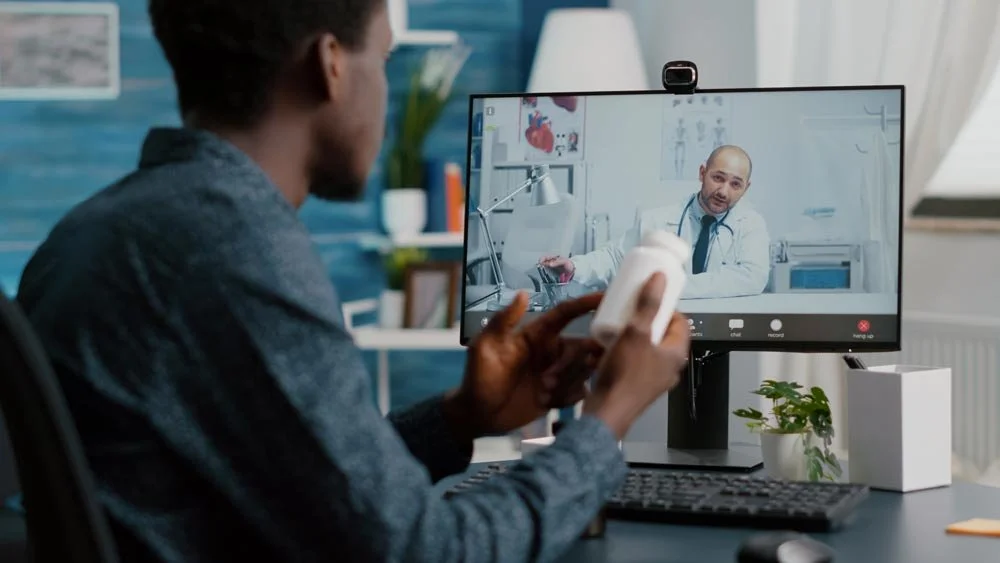
Why Your Choice of Provider Matters in Opioid Treatment
Suboxone is a highly effective medication for opioid use disorder when it is prescribed and managed correctly. The clinical evidence is strong. But medication alone is not the whole picture. The quality of the physician overseeing your treatment — their training, their availability, and their ability to respond to your individual needs — shapes how well that medication works for you.
A thorough initial evaluation catches co-occurring conditions that need to be treated alongside opioid dependence. Proper dosing management reduces the risk of undertreating or overtreating. Ongoing access to your physician means problems get addressed before they become setbacks.
The difference between a provider who takes time to understand your situation and one who processes prescriptions at volume is the difference between a treatment plan and a transaction.
Credentials to Look for in an Online Suboxone Doctor
When evaluating a provider, start with their qualifications. Suboxone prescribing requires a DEA registration and a waiver under the DATA 2000 Act, but that is a low bar. The credentials that signal genuine expertise go further.
Board certification in addiction medicine indicates that a physician has completed specialized training and passed rigorous examinations specific to addiction treatment. It is not a credential every prescriber holds.
Board certification in psychiatry or addiction psychiatry matters because opioid use disorder rarely exists in isolation. Anxiety, depression, trauma, and chronic pain frequently co-occur with opioid dependence. A physician with psychiatric training can evaluate and treat those conditions as part of a comprehensive care plan rather than referring them elsewhere or ignoring them entirely.
Clinical experience counts for a great deal in addiction medicine. Years of practice treating patients with opioid use disorder builds the kind of pattern recognition and judgment that formal credentials alone cannot convey.
Dr. Kevin Passer at Addiction TeleMD is triple board-certified in psychiatry, addiction psychiatry, and addiction medicine, with decades of clinical experience. Learn more on the About page.
Red Flags to Watch for in Online Suboxone Providers
The same access that makes telemedicine valuable also creates space for providers who prioritize volume over care. A few warning signs worth knowing:
No physician oversight. Some platforms use nurse practitioners or physician assistants as the primary prescribers with limited attending physician involvement. This is not inherently problematic, but it is worth understanding who is actually managing your care.
Rushed evaluations. A legitimate first appointment for Suboxone treatment should take meaningful time. If a provider is offering five-minute evaluations or same-day prescriptions with no substantive assessment, that is a sign the clinical process is not being taken seriously.
No follow-up structure. Effective Suboxone treatment requires ongoing management. A provider who prescribes and disappears, with no clear plan for dosing adjustments or continued monitoring, is not delivering real care.
Unclear physician identity. You should know exactly who is prescribing your medication, what their credentials are, and how to reach them. Providers who obscure this information are worth approaching with caution.
For more on distinguishing legitimate providers from problematic ones, see Is Suboxone Legal Online? How to Avoid Scams and Find Legit Providers.
Questions to Ask Before You Start Treatment
Going into your first consultation with specific questions is one of the best ways to evaluate a provider. Consider asking:
How accessible is the physician directly?
Will you be communicating with Dr. Smith, or with a care coordinator who relays messages? Direct physician access is a meaningful advantage, particularly when something changes in your treatment.
How is dosing managed over time?
Suboxone dosing is not static. It should be adjusted based on your response, your lifestyle, and your progress toward your goals. Ask how that process works.
What happens if I need support between scheduled appointments?
Recovery does not follow a calendar. Knowing what your options are when something comes up outside of a scheduled visit matters.
Do you treat co-occurring conditions?
If you are managing chronic pain, anxiety, or depression alongside opioid dependence, you want a provider who can address all of it — not just one piece.
What a Concierge Telemedicine Practice Looks Like
Concierge medicine is a model built around direct patient-physician relationships, limited patient volume, and individualized care. Applied to addiction treatment, it means something specific and valuable.
At Addiction TeleMD, patients work with Dr. Passer directly — from the initial evaluation through every follow-up appointment. There is no intermediary, no rotating staff, and no handoffs to a different provider six months in. Your treatment plan reflects your history, your goals, and your circumstances, including any co-occurring conditions that need to be addressed alongside opioid dependence.
That model is not the standard in telemedicine addiction care. It is the standard at Addiction TeleMD. Visit the services page for a full overview of what treatment includes.
Frequently Asked Questions
Does it matter if my Suboxone doctor is board-certified in addiction medicine specifically?
It matters significantly. General practitioners can obtain a Suboxone prescribing waiver with relatively minimal training. Board certification in addiction medicine requires extensive specialized education and examination. For a condition as complex as opioid use disorder, that difference in training translates directly to the quality of your care.
Can a telemedicine provider manage my treatment as well as an in-person doctor?
Yes. Multiple peer-reviewed studies have found that telemedicine-based buprenorphine treatment produces outcomes comparable to in-person care, with the added benefits of improved access and reduced barriers to starting treatment.
What should my first appointment actually cover?
A thorough initial evaluation should include your opioid use history, other substance use, physical health, mental health, any co-occurring conditions, medications, and your goals for treatment. If a first appointment does not cover this ground, the resulting treatment plan will be incomplete.
Is it safe to switch providers if I am already on Suboxone?
Yes, with proper coordination. If you are currently on Suboxone and want to transition to a new provider, the most important thing is continuity of medication. A qualified physician can review your current regimen and continue or adjust it appropriately.
How do I get started with Addiction TeleMD?
The easiest first step is the free opiate disorder self-assessment. It takes only a few minutes and gives you a clearer picture of where you stand before your first appointment.
Ready to Find the Right Provider?
The provider you choose for opioid treatment matters as much as the medication itself. Addiction TeleMD offers board-certified, physician-led Suboxone treatment via telemedicine to Mississippi and California residents — built around your individual needs, not around throughput.
Explore our services to learn what treatment involves, take the free self-assessment, or contact Dr. Passer to get started today.